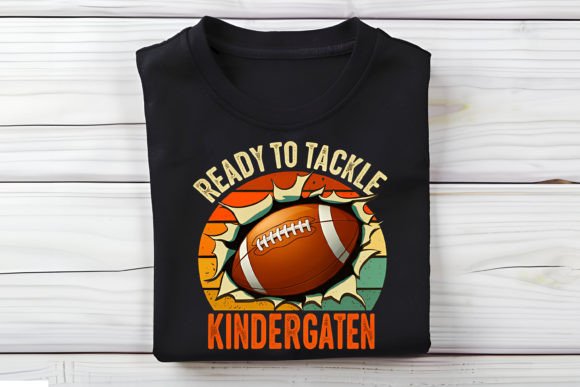
Reviewing Ready to Tackle T-Shirt Design for Real Embroidery
As a designer who spends half my life digitizing and the other half stitching, I have learned that not every graphic translates well to thread. We often browse marketplaces looking for the perfect machine embroidery design, only to realize later that the lines are too thin, the details too dense, or the overall composition lacks the boldness needed for fabric. That is why I took a close, practical look at Ready to Tackle T-Shirt Design. This is not just about whether it looks good on a screen; it is about how it performs when the needle hits the cloth.
The first impression of this piece is its confident, sporty energy. The theme suggests action, resilience, and a bit of playful aggression, which makes it an excellent candidate for active wear or motivational apparel. When I opened the files, I noticed the clean edges and distinct shapes. For us in the trade, clean vector-like lines in a raster source file are a good omen. It means that when we convert this into an embroidery file, the pathing should be straightforward, reducing the risk of thread breaks or messy jump stitches.
From Screen to Stitch: A Real-World Test
To truly evaluate Ready to Tackle T-Shirt Design, I imagined a specific client project. A local coach wanted custom hoodies for his youth football team’s end-of-season gifts. He needed something that looked professional but wasn’t as stiff or expensive as a full chenille patch. This design fit the brief perfectly. The bold outlines allow for a strong satin stitch border, which frames the inner elements nicely. If you are planning to use this for sweatshirt embroidery, the scale is crucial. Because the design has substantial visual weight, it holds up well on heavier fabrics like fleece or cotton blends without getting lost in the texture.
However, versatility is key for any T-Shirt Designs asset. I also considered how this would work on a canvas tote bag design. Here, the contrast becomes vital. On a natural beige tote, using dark navy or black thread would make the design pop, creating a chic, boutique-style accessory. The layout is balanced enough that it doesn’t feel lopsided when centered on a bag. For Etsy sellers and small shop product creators, this adaptability is a major selling point. You are not limited to one niche; you can pivot from sports gear to everyday carry items with the same digital asset.
Navigating Fabric and Hoop Constraints
While the design is robust, it is not without its technical demands. As an experienced reviewer, I must point out where caution is needed. If you intend to use this on stretchy performance fabrics, such as those used for running shirts or yoga gear, you must prioritize your stabilizer choice. A cut-away stabilizer is non-negotiable here to prevent the fabric from puckering under the tension of the stitches. The design’s solid areas will require a careful balance of fill stitch density. If the digitizer sets the density too high, the fabric may warp; too low, and the backing shows through.
Another consideration is the hoop size. This design appears to have a horizontal orientation that might push the limits of a standard 4x4 inch hoop. Before purchasing or starting your project, verify the dimensions. If you are working with a smaller hoop, you might need to split the design or reduce the scale, which could compromise the legibility of finer details. For embroidered patch creation, this is less of an issue since you can use larger hoops and trim the excess, but for direct-to-garment applications, check your machine’s capacity.
Textured fabrics present another challenge. If you are stitching this onto a waffle-knit thermal or a rough linen, the intricate parts of the design might get lost. In such cases, simplifying the color palette and using thicker threads, like rayon or polyester with a higher sheen, can help maintain definition. Always test the design on scrap fabric first. This simple step saves hours of frustration and ensures that your finished product meets professional standards.
Commercial Viability and Brand Appeal
For craft business owners, the commercial potential of Ready to Tackle T-Shirt Design is significant. The motif resonates with several lucrative markets: sports parents, fitness enthusiasts, and even teachers who use sports metaphors in their classrooms. When you list this as a personalized gift option, consider adding names or numbers below the main graphic. The open space beneath the primary image allows for easy customization without cluttering the composition.
Visual appeal drives sales, especially on platforms like Etsy where customers scroll quickly. This design has high recognition value. Its bold lines translate well into printable mockup previews, allowing you to showcase the product effectively online. However, remember that a mockup is not the final product. Ensure that the thread colors you choose in real life match the vibrancy of your digital previews. High-contrast combinations, such as white on black or gold on navy, tend to perform best in terms of customer engagement and perceived value.
It is also worth noting the licensing aspect. Since this product includes PNG files and mockups, clarify whether you are buying the right to sell physical embroidered items or if there are restrictions on digital redistribution. Most reputable sellers allow for commercial use of finished physical goods, but always read the terms. Protecting your commercial embroidery business starts with respecting intellectual property rights.
Practical Notes for the Maker
Before you load this design into your machine, take a moment to review the technical specs provided. The description mentions high-resolution PNGs, which are great for printing or sublimation, but for embroidery, you need the actual stitch file (PES, DST, JEF, etc.). Ensure you have the correct format for your machine. If the listing does not specify the stitch count, ask the seller. A high stitch count means longer production time, which affects your pricing strategy.
- Test on Scrap: Always run a test stitch-out on the same fabric type you plan to use for the final item.
- Check Contrast: View the design in black and white to ensure the shapes remain distinct without color reliance.
- Stabilizer Matters: Use appropriate stabilizers for knit, woven, or stretchy fabrics to maintain shape.
- Verify Licensing: Confirm if the license covers mass production or limited handmade sales.
- Inspect Details: Zoom in on the digital file to check for pixelation or broken lines that could cause stitching errors.
In conclusion, Ready to Tackle T-Shirt Design is a strong contender for your library of design assets. It offers a blend of attitude and professionalism that works well across various Graphics applications. Whether you are creating holiday embroidery gifts for sports fans or stocking your small shop product line with trendy apparel, this design provides a solid foundation. Just remember to respect the technical requirements of embroidery, choose your materials wisely, and always prioritize quality control. With the right approach, this design can become a staple in your portfolio, delighting customers with its crisp, durable, and stylish appearance.